
162.5 centimeters in 2006, 164 centimeters in 2023. The figures from IFTH and INSEE do not lie: the average height of French women gains a few millimeters each decade. Sports equipment brands are trying to keep up, gradually adjusting their ranges to accompany this silent but very real evolution.
However, the standardization of sports equipment does not quite match the current morphological reality. Needs are evolving, and expectations too. Manufacturers juggle between physiological requirements and commercial imperatives, while sports federations struggle to keep pace.
The average height of women in France in 2026: recent figures and notable trends
The gradual growth of the average height of women is being discussed well beyond scientific circles. Today, INSEE places the national average close to 164 cm, continuing a steady trajectory for the past twenty years. This evolution does not stop at the borders of major cities; it is spreading across all regions and social categories. The EPSIMAS study also highlights a parallel increase in the body mass index (BMI): while the overweight curve seems to be stabilizing, it continues to attract the attention of health professionals.
The information shared by the average height of women in France 2026 shows how morphological changes influence daily life, sports practice, and the creation of new equipment. This trend spares neither teenagers nor adults, even if the gender gap remains. The INJEP, which observes physical activity in France, analyzes the impact of this transformation on participation, performance, and body perception.
To better understand the stakes, here are some key points:
- 164 cm is now the reference value for the average height of women in France in 2026
- Nearly one in four women is affected by overweight
- The EPSIMAS survey notes a slight increase in BMI
The reshaping of the female morphological profile requires a rethink of sports practices and infrastructures. Clubs, federations, equipment manufacturers: all face a challenge of adaptation, at the crossroads of public health and the pursuit of performance. The average height of women in France for 2026 is no longer just a statistic; it impacts support policies, equipment design, and the recognition of women in sports.
What challenges does women’s sports face in light of evolving morphologies?
The increase in average height among women is gradually but surely shaping the landscape of women’s sports. In clubs, it is observed that morphologies change as early as adolescence, which modifies sports practice for both amateurs and competitors. Even though the gender gap is narrowing, some obstacles remain deeply rooted. Space, access, representation: the battle is not over.
The COSMOS female participation barometer notes an increased participation of women, but in several team sports, progress remains timid. Sports clubs must deal with increasingly diverse morphologies, leading to new needs:
- adaptation of equipment, modernization of infrastructures, strengthening support around health and physical activity
While participation is becoming established for some, it is declining for others, particularly during adolescence, where dropping out of sports remains common upon entering high school.
Another observation, in three major trends:
- Athletes present an unprecedented morphological diversity
- Adjustment of sports equipment is progressing slowly
- Women’s participation remains lower than that of men
Health authorities, INJEP, federations: all agree on the need to adapt systems to the reality of current bodies and lifestyles. The evolution of morphologies requires inventing new approaches to promote access, recognition, and continuity of women’s sports practice.
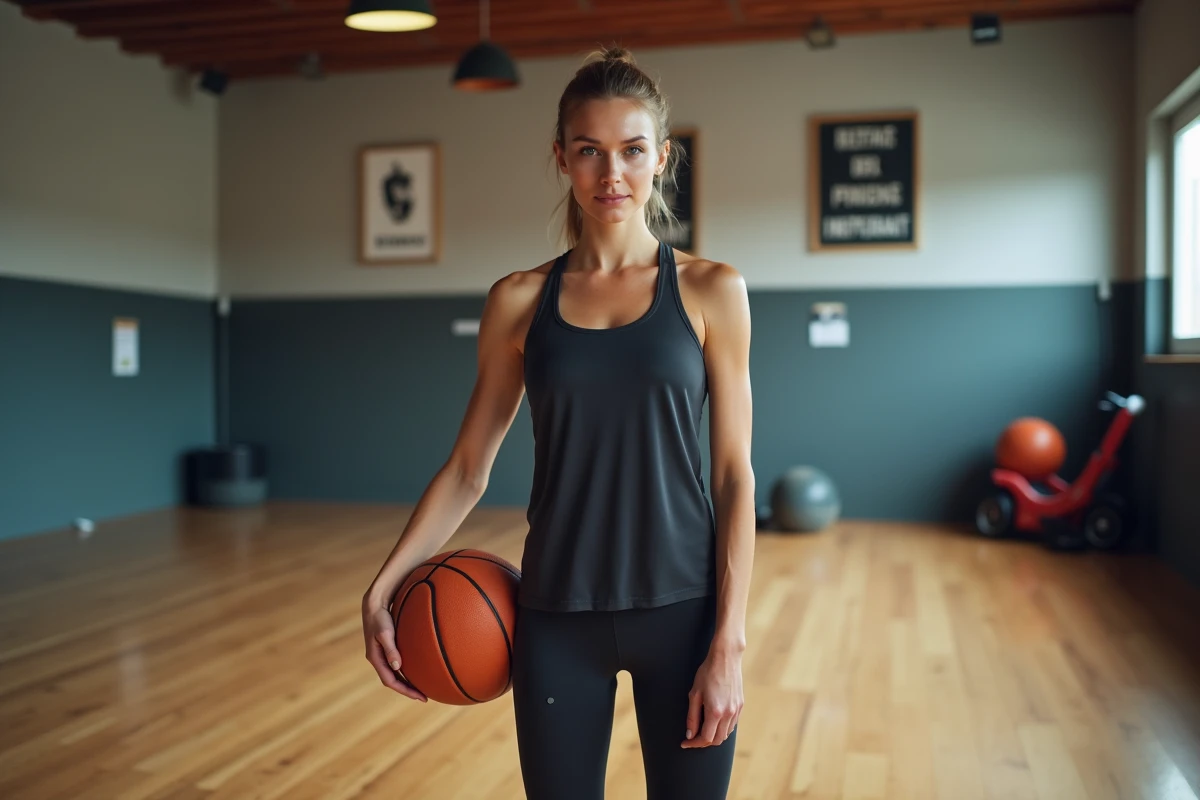
Sportswear and market adaptation: towards a more inclusive and high-performing offer
New data on the average height of women in France 2026 shake up the benchmarks of the sportswear market. After years of following almost fixed standards, manufacturers are revising their approach. Lengthening silhouettes, variations in BMI: the demand for customization is becoming essential. The figures from EPSIMAS and UNION SPORT & CYCLE show that consumers and professionals expect products tailored to the diversity of morphologies. The athleisure sector, at the intersection of comfort and performance, is booming.
Expectations are clear: technical fabrics, cuts that consider movement without compressing, sizes designed for all. Brands are betting on innovative materials that can meet both the intensity of sports practice and the quest for aesthetics. Smart textiles are emerging: integrated sensors, moisture management, thermal regulation. This transformation aims to value every morphology, far from the unique model that has long been imposed.
Here’s how the market is adjusting concretely:
- Launch of second-hand ranges on e-commerce platforms
- Diversification of functional clothing according to the intensity of physical activity
- Increasing integration of connected technologies in sports equipment
The French market is keeping pace with major European and global trends while maintaining its identity. This evolution promises more inclusive collections, designed to support the variety of practices and bodies. It remains to be seen whether, tomorrow, every woman will finally be able to find the equipment that propels her, without compromise or forced standardization.