A poorly prepared file can be costly, and not just in wasted time. Any technical modification to a vehicle requires a mandatory submission to the DREAL, even if it is just a detail deemed trivial. Regulations are constantly evolving, checks vary by region, and each type of vehicle has its own requirements. Here, the margins for maneuvering are slim: a single missing or incorrectly filled document, and the process comes to a halt, with no reimbursement. This is the playing field for all those who modify or import their car.
Why is the inspection process essential for your car?
The inspection process remains a key step, often overlooked, to ensure the compliance and safety of any modified vehicle or one imported from abroad. This term conceals a meticulous procedure orchestrated by the DREAL, the institution that ensures every modification adheres to French and European standards. Whether it’s a converted van, a car converted to LPG, or an imported model, regulations require a check of every technical and environmental detail.
A notable example: the VASP approval, highly sought after by enthusiasts of conversions. It conditions the transformation of a utility vehicle into a habitable vehicle to a series of tests and checks. At the heart of this process, the DREAL examines each installation, gas, electricity, structure, and ensures that everything meets the requirements of the highway code. The procedures for the vehicle inspection are therefore essential for legal circulation, obtaining insurance, and avoiding any unpleasant surprises in the event of a claim.
In France, the procedure goes beyond a simple technical inspection. It includes identifying modifications, compliance with European standards, analyzing pollution generated, and calculating the total authorized weight. The DREAL, the enforcement arm of the Ministry of Ecological Transition, handles each file with unwavering rigor. This step becomes the mandatory checkpoint for safe and responsible mobility, for oneself and for all road users.
What documents and steps to prepare for a stress-free approval?
Prepare a solid file, piece by piece
The smooth progress of the approval starts with a complete technical file. To satisfy the DREAL, each document must be collected and organized methodically. Here’s what to prepare:
- The registration certificate (carte grise), the administrative foundation of the file.
- The certificate of conformity from the manufacturer, or if unavailable, an attestation from an approved professional.
- The report of the technical inspection from less than six months ago for vehicles over four years old.
- Detailed sheets outlining all modifications made, whether it’s a conversion, the installation of an LPG system, or a change of category.
- Proof of registration and, for imported vehicles, evidence of compliance in the country of origin.
Administrative process: every step counts
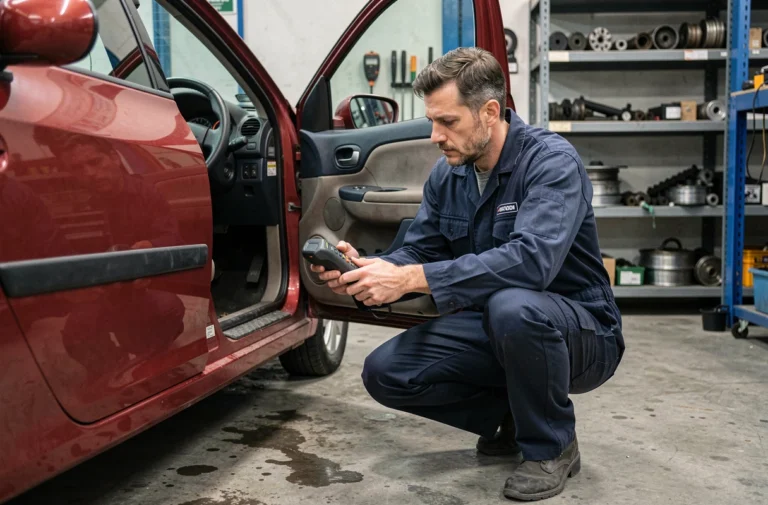
The isolated reception (RTI) is organized in several stages. First, the file must be submitted to the DREAL, which checks its consistency. Next comes the summons for a physical inspection of the vehicle. This visit examines safety, emissions, dimensions, and the compliance of the declared modifications. If the vehicle has LPG equipment or major transformations, additional documentation may be requested.
An incomplete file leads to requests for additional information or even a provisional refusal. It is therefore wise to rely on specific sheets for each situation, whether it’s a converted van, LPG vehicle, importation, etc. The clearer and more precise the provided elements are, the faster the process moves forward, without unnecessary administrative returns.

Pitfalls to avoid and tips for succeeding in your process on the first try
Neglected details, immediate consequences
The slightest administrative error can turn the inspection process into a headache. An incomplete certificate, an imprecise sheet, and the DREAL halts the procedure. Every piece of data matters: the total authorized weight, the vehicle category, compliance with European standards. One oversight, and everything starts over.
Anticipate to leave nothing to chance
To maximize your chances, preparation must be flawless. Ensure you gather all supporting documents, especially for vehicles from abroad. A perfectly valid technical inspection, suitable for the vehicle category, greatly facilitates the process.
Here are some points to watch before you start:
- Precisely identify the category of your vehicle: converted van, VASP, LPG, import, etc.
- Ensure that the modifications correspond to the classification requested at the national reception center.
- Regularly consult the opinions and notices from the Ministry of Ecological Transition and Territorial Cohesion, as legislation evolves quickly.
Seeking advice from a professional in the field can save valuable time, especially to ensure that the file meets the DREAL’s expectations. Approval requires method and precision, but it remains accessible to those who approach each step seriously. At the end of the journey, the road finally opens up, without obstacles or unpleasant surprises.