
A dog limping on a Sunday evening, an unexpected ultrasound on Monday morning, and then the bill arrives: several hundred euros to pay on the spot. Pet insurance promises to reimburse some of these costs, but only if you can afford to pay upfront. This gap between immediate payment and delayed reimbursement is the blind spot in most policies, and it’s often where the family budget goes off track.
Paying the vet bill upfront: the real barrier to pet insurance
Most pet insurance policies work by reimbursing you after you’ve paid. You pay the full bill at the vet, send in the supporting documents, and then wait for the money to be transferred. This creates a practical problem: without available cash, insurance is no help when you need it most.
Reimbursement times vary by insurer, from a few days to several weeks. In the meantime, the expense weighs on your bank account. For a routine consultation, that may be manageable. For surgery or a hospital stay, the amount you need to pay upfront could equal a month’s grocery budget.
Before taking out a policy, it’s worth checking the payment arrangements carefully: does the insurer offer partial direct billing, a network of partner clinics, or do you always have to pay the full amount upfront? The information compiled on the Animal News website about pet insurance makes it possible to compare these practical arrangements across different policies.
Here are a few ways to plan for this gap:
- Set aside a dedicated fund for veterinary care, however modest, alongside your monthly premium
- Check whether your vet allows you to pay for major procedures in instalments
- Choose a policy with a short reimbursement period that is clearly stated in the terms and conditions
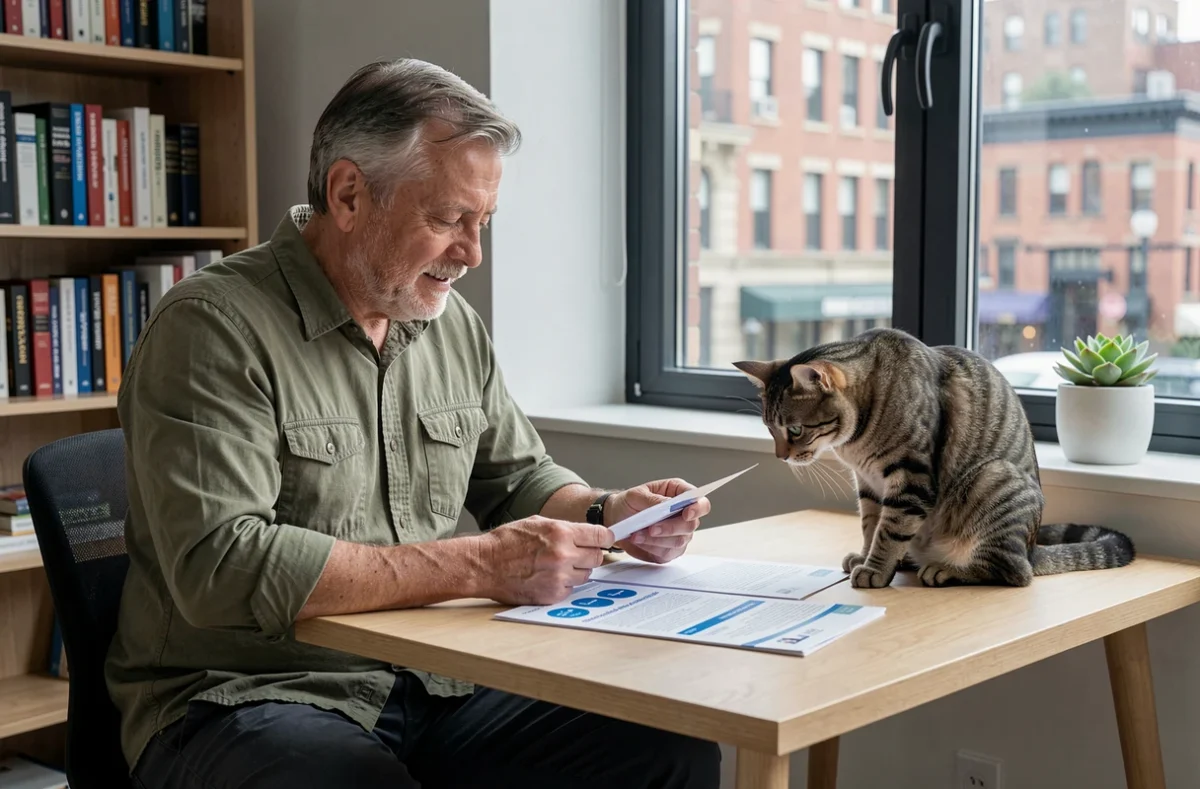
Pet insurance plans and your budget: three factors that affect the real cost
The monthly premium alone tells you very little about the true cost of a policy. Two plans at the same price can leave you with very different out-of-pocket costs by the end of the year. To work out what you’ll really pay, consider three factors together, never in isolation.
The reimbursement rate isn’t the whole story
A high reimbursement rate may look appealing, but it applies after the deductible has been taken off. If the deductible is high, the actual reimbursement for a routine consultation may be negligible. What matters is the amount actually paid out after the deductible, not the headline percentage.
The annual limit matters when major unexpected costs arise
The annual limit sets the maximum amount you can be reimbursed over twelve months. A low-premium plan with a limited annual cap may provide good cover for everyday care, but leave you with a hefty bill if your pet needs surgery or long-term treatment. Choose a limit based on the level of risk you’re willing to take on yourself.
The deductible: fixed, percentage-based or per claim
Some policies apply a single deductible per year, while others charge one for each veterinary claim. You’ll notice the difference from your second visit of the year. A per-claim deductible increases your out-of-pocket costs if your pet needs frequent care. For an older dog or a breed prone to certain conditions, this detail can make a big difference.
Waiting periods and exclusions: what can prevent reimbursement
You take out a policy, pay the first premium, and your dog falls ill the following week. Your first instinct is to file a claim. The insurer will probably reject it because the waiting period hasn’t ended.
This period, which runs from the policy start date until the cover actually takes effect, varies by policy and type of treatment. Accidents are often covered sooner than illnesses. Taking out cover early, while your pet is young and healthy, reduces the risk of needing care during this uninsured period.
Exclusions create a different problem. Hereditary or congenital conditions, pre-existing conditions, and certain breeds or age groups are regularly excluded from cover. Reading the list of exclusions before signing helps avoid unpleasant surprises when you make a claim.
Since 1 July 2023, insurance professionals have committed to offering the option to cancel a pet insurance policy after one year. It’s best to check the exact terms of your own policy rather than assume that a statutory right to cancel applies automatically.
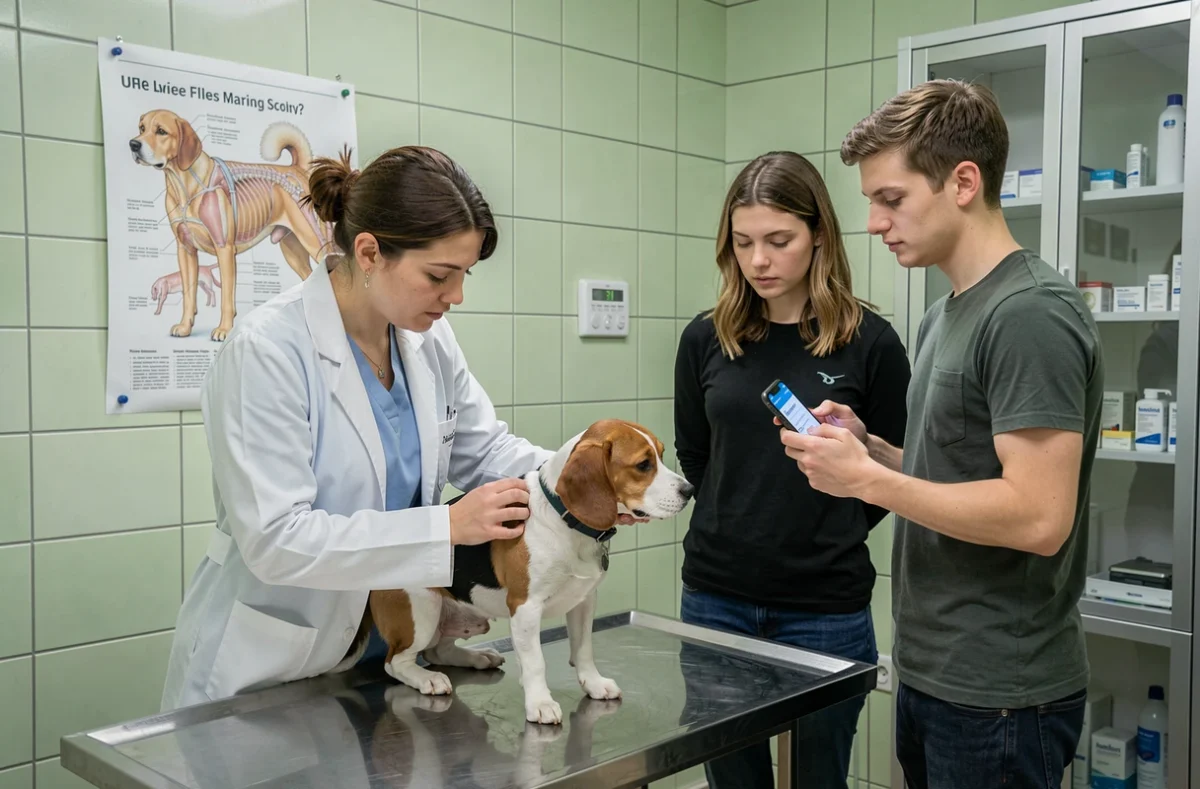
Dog or cat insurance: tailor the cover to your pet, not the other way around
An indoor cat and a sheepdog don’t expose their owners to the same expenses. The former is more likely to develop kidney or urinary conditions over the long term. The latter faces a combination of accident risks, joint injuries and frequent visits related to its activity level.
To tailor a plan to your pet’s specific circumstances, compare:
- Your pet’s age when you take out the policy, which affects both the premium and the range of cover available
- The breed’s health profile, as some breeds are statistically more prone to costly conditions
- Lifestyle (indoors, outdoors, sporting activities), which affects the risk of accidents
- The monthly premium you can comfortably afford, while leaving room in your budget to pay costs upfront
A policy with more cover than a low-risk pet needs means paying for benefits you won’t use. Conversely, a basic plan for an active, ageing dog could leave you with substantial out-of-pocket costs.
Some insurers offer a preventive care allowance that covers part of the cost of routine care (vaccinations, dental cleaning, parasite treatments). For a young, healthy pet, this allowance may account for most reimbursements for several years, which can make a basic plan that includes this benefit a worthwhile choice.
Protecting your pet without throwing your budget off balance means looking beyond the monthly price: the reimbursement period, the actual deductible, an annual limit suited to your pet’s needs and your ability to pay costs upfront are the factors that make a policy useful. The best policy is one you can rely on when you need it, not the one that makes the biggest promises on paper.