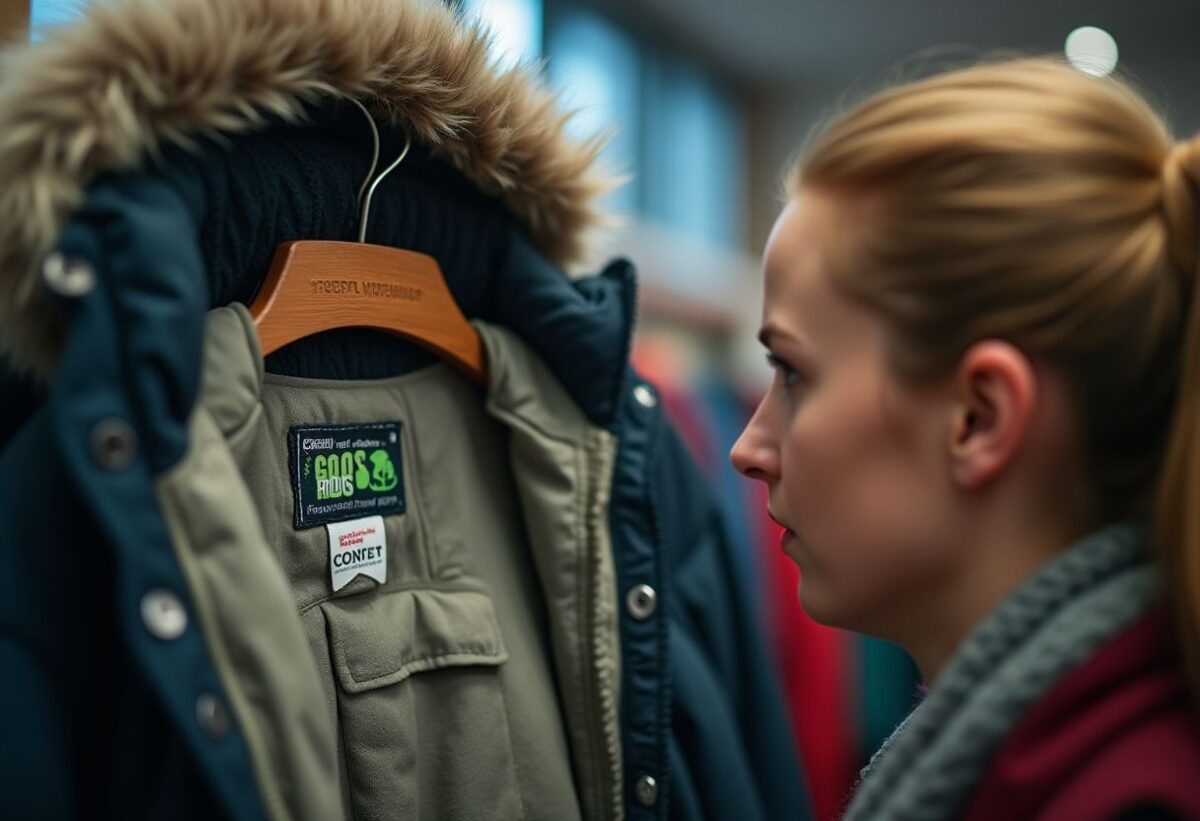
In a world where environmental and ethical awareness is becoming increasingly important, the question of the origin and quality of the materials used for our clothing is paramount. The down jacket, essential in cold weather, is at the center of this issue. Between the choice of fabric, respect for the environment, and production conditions, how can we ensure that the down jacket we purchase aligns with our values? Certifications and labels emerge as a possible answer to guarantee not only the quality of the fabric but also its ethics.
Certification labels: what are they and what do they guarantee?
Certification labels are at the forefront of ensuring the quality and ethics of the fabrics used in clothing production. They provide transparency regarding manufacturing processes and the origin of materials.
- Oeko-Tex Standard 100: this label is widely recognized for ensuring that the product does not contain harmful substances for health. Oeko-Tex conducts rigorous testing at various stages of production, making it a quality guarantee for consumers concerned about their well-being.
- Global Organic Textile Standard (GOTS): this label goes further by ensuring that the fabric is produced organically. The criteria also include social aspects, ensuring that workers benefit from good working conditions.
- Responsible Down Standard (RDS): specific to products containing feathers, this label ensures that the collection of feathers respects animal welfare. No animal should be mistreated or live-plucked, which reassures consumers about the ethical origin of their down jacket.
The ethical implications of certifications
In the current context, adherence to ethical principles in textile production is a determining factor for many consumers. These certifications play a key role not only in terms of transparency but also in influencing industrial practices.
Certified companies are encouraged to adopt more sustainable practices and adhere to high social standards. This covers aspects such as fair treatment of workers, reducing carbon footprints, and responsible use of natural resources. Consumers, for their part, are increasingly aware of these issues and favor brands that are genuinely committed to these approaches. Ethics thus becomes a selling point and a means of customer loyalty for companies, which see it as a way to differentiate themselves in an increasingly competitive market.
How to identify a certified down jacket?
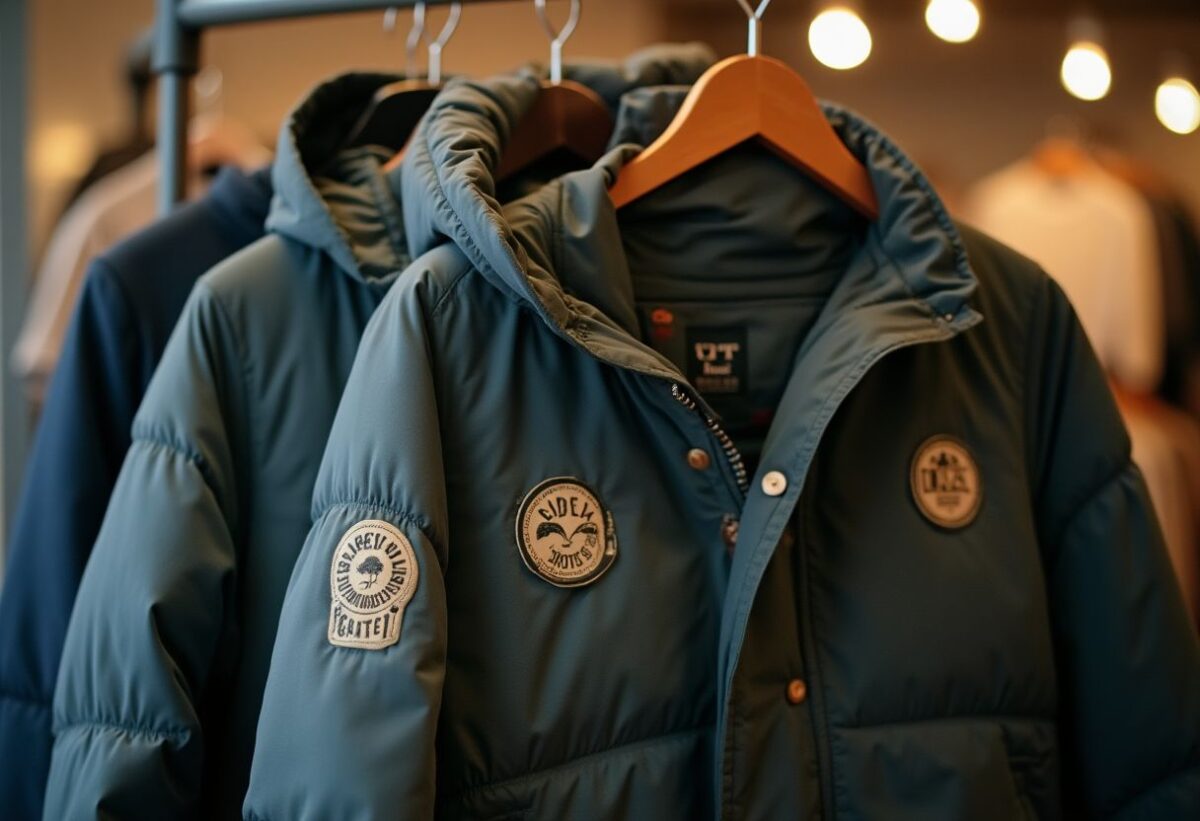
It is not always easy for consumers to spot clothing that meets these quality and ethical criteria. The elements to look for on labels can help make an informed choice.
The labels attached to clothing play a crucial role in providing transparent information about the certifications obtained. When purchasing a women’s down jacket, for example, it is useful to check for the presence of logos corresponding to labels such as Oeko-Tex, GOTS, or RDS. Additionally, many brands communicate through their websites, detailing the ethical approaches they follow. This allows consumers to research thoroughly before making a purchase, thus ensuring a choice that aligns with their personal values.
The consequences of certifications on market trends
The impact of certifications on the fashion market is significantly felt, influencing purchasing behaviors and company strategies.
Modern consumers express a growing desire to support ethical and responsible brands. This demand drives companies to adopt high standards to obtain recognized certifications. In response, the fashion industry is witnessing an increase in the visibility of certified products, now highlighted in marketing campaigns and retail points. Brands that commit to this path gain credibility and attract an increasingly discerning clientele, ready to invest in products that reflect their environmental and ethical concerns.
Acquiring a certified down jacket is part of a responsible consumption approach. By opting for labeled products, consumers can be assured that their choices support sustainable and ethical practices. Certifications and labels thus become more than just a quality guarantee; they represent a commitment to a more environmentally friendly and human rights-respecting future.