When embarking on the preparation of recipes from different backgrounds, it is common to encounter a variety of measurement units that do not always correspond to those we are used to. Between teaspoons, ounces, grams, or cups, conversion can quickly become a headache, especially when we are in a hurry or do not have the proper measuring instruments. To prevent these differences from compromising the success of our dishes, there are simple tips and tools that facilitate conversion and ensure the success of our culinary creations.
Understanding Measurement Units in Cooking
Mastering measurement units is a fundamental skill for anyone looking to excel in the culinary arts. Converting measurement units often proves necessary when faced with recipes from various cultures, each with its own standards. Grams, centiliters (cl), milliliters (ml), pounds, and temperature scales like Celsius and Fahrenheit are part of this lexicon to master.
To illustrate, let’s take a simple example: converting 150 ml to cl. The relationship between these two units is direct – 10 milliliters equal one centiliter. 150 ml represents 15 cl. This type of conversion is essential for accurately measuring liquids, often required in baking and cooking recipes.
Let’s address weights: a medium egg weighs about 50 grams. This information is fundamental for estimating quantities without a scale, especially when substituting ingredients. As for foreign measurements like the pound, it is important to know that it equals 453.5 grams, useful information when converting Anglo-Saxon recipes.
Temperature. Converting Celsius to Fahrenheit may seem complex, but it relies on a simple formula and a fact: 0°C corresponds to 32°F. The temperature conversion table proves to be a valuable ally for correctly adjusting the settings of our cooking appliances, thereby ensuring the success of our dishes.
Techniques and Tools for Precisely Converting Measurements
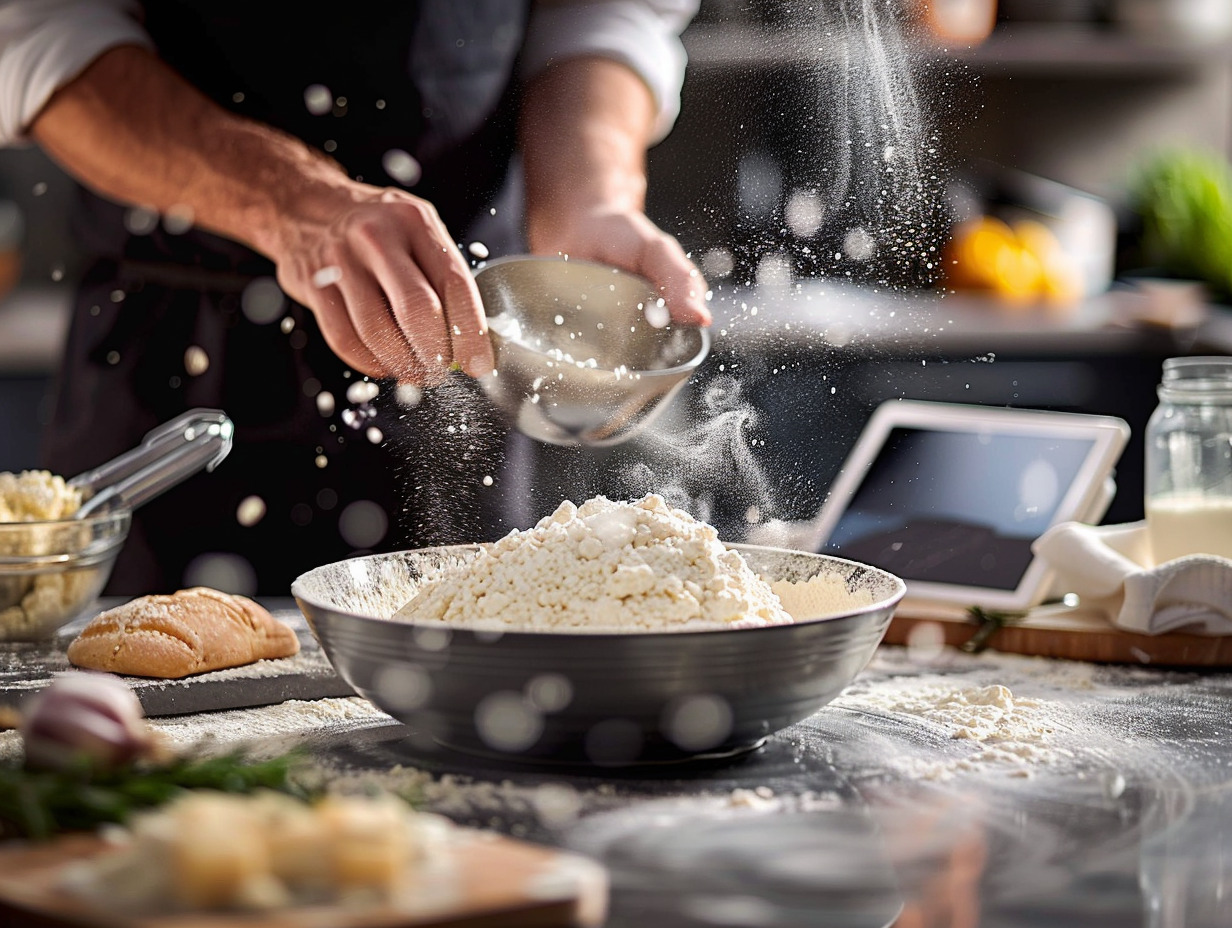
In the quest for precision in cooking, using the right measuring tools is crucial. Conversion utensils such as measuring spoons provide a practical answer to daily conversion needs. A teaspoon, for example, holds 5 ml of liquid or, depending on the substance, 5 g of salt, sugar, oil, or butter, and 4 g of flour. This knowledge transforms this simple utensil into a precise and readily available measuring instrument.
The trick lies in choosing the appropriate utensil for the type of measurement. For liquids, measuring cups with graduated scales in milliliters and centiliters are a wise choice. For dry ingredients, digital kitchen scales allow for weighing with an accuracy that defies any manual approximation. Precision of measurements and adherence to proportions depend on this, ensuring fidelity to recipes and consistency of results.
Mobile applications and websites dedicated to culinary measurement conversion are emerging as true assistants. These digital resources, often free, provide conversion tables, calculators, and interactive guides. They compensate for the absence of specific utensils and help navigate between measurement systems with surprising ease. Soup, spoon, coffee or other measurements, accuracy is no longer the exclusive domain of professionals but is now invited into the kitchens of all enthusiasts.