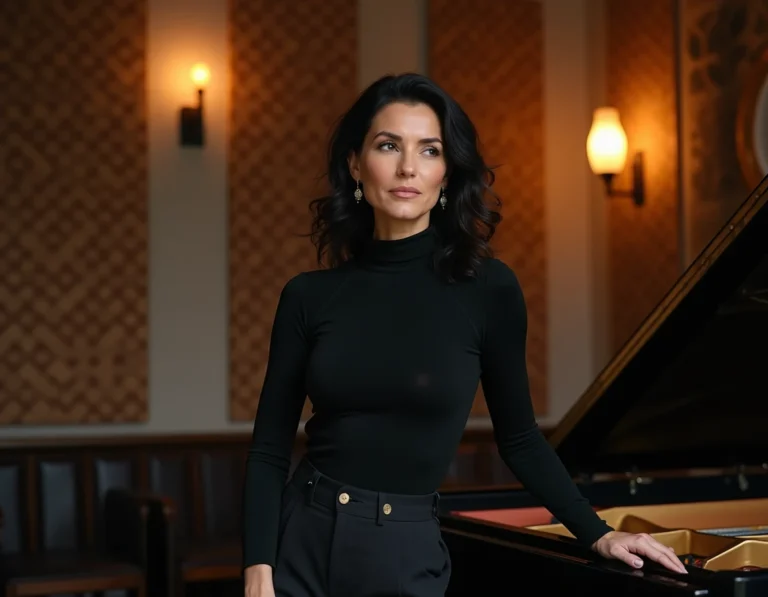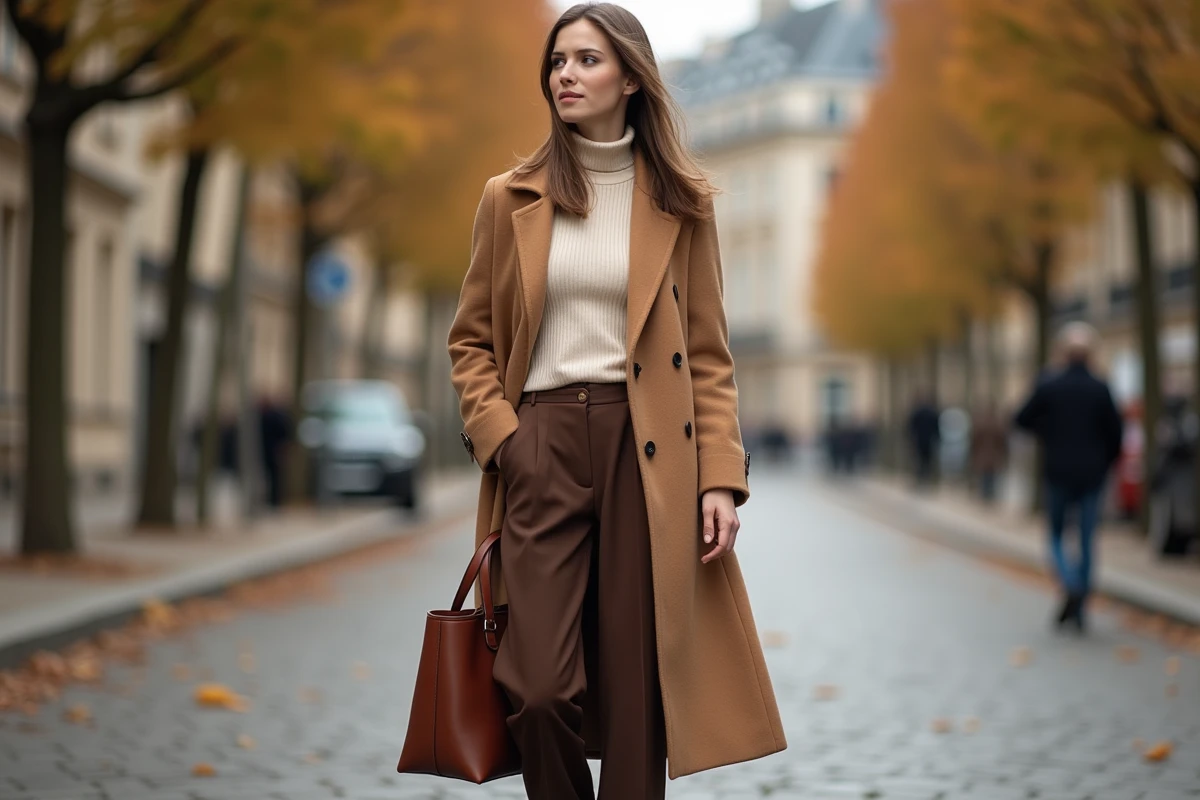
The spring-summer 2026 fashion trends are no longer just read on the runways. The gap between catwalks and sidewalks has never been so evident: wardrobes are now built around wearable pieces, natural materials, and a relationship with clothing that incorporates provenance as a component of style. The fashion trends of the season are reflected less in lookbooks than in the concrete choices of buyers.
Provenance of pieces and mix of circuits: the true style marker this season
The clearest observation this season concerns not a cut or a color, but the way outfits are assembled. Several recent analyses point to a phenomenon that classic trend guides overlook: the signature of a look lies in the mix of purchasing channels.
The practice involves pairing minimalist basics purchased from mid-range with one or two premium accessories found on resale platforms or in vintage thrift stores. The acquisition channel becomes a full-fledged style element, on par with the color palette or choice of materials.
This hybridization between classic retail, second-hand, and vintage corresponds to a deep shift. If you are looking for the trends to wear on Trending, you will notice that this mixing logic is already influencing editorial selections. The visual result is a wardrobe that does not resemble any specific catalog, because it does not come from just one.
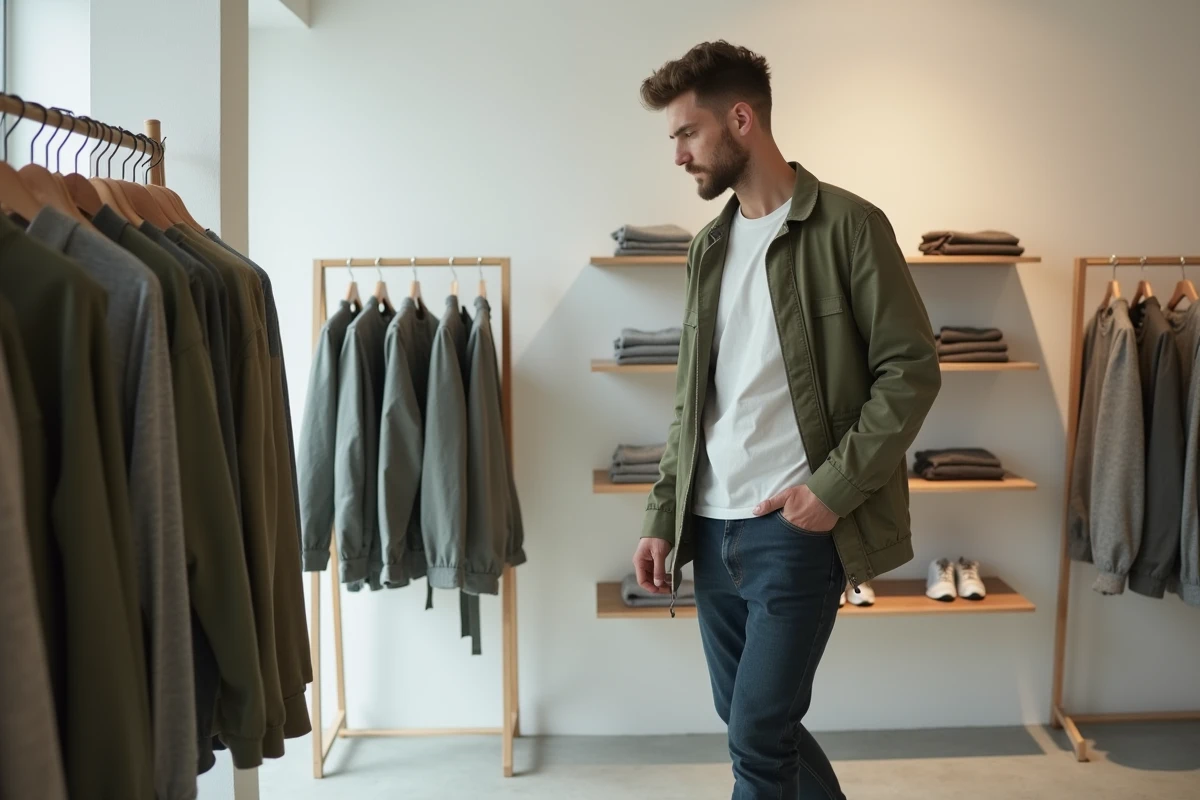
Natural materials and matte textures: what the street really favors
Field observations in Parisian neighborhoods (Marais, Saint-Germain) confirm a growing rejection of the shiny synthetic total look. Matte and natural textures dominate silhouettes: linen, thick cotton, airy knits. Shiny polyester or synthetic satin are visibly declining.
This shift towards more raw materials changes the way pieces age. Linen trousers wrinkle throughout the day, a cotton shirt gains volume over the hours. This embraced imperfection is part of the sought-after aesthetic, in contrast to clothing that must remain impeccable from morning to evening.
Most frequently observed pieces on the street
- High-waisted wide-leg trousers in cotton or linen, worn over several seasons without systematic renewal
- Midi dresses in natural materials, often paired with a single strong vintage piece (archive jacket, second-hand bag)
- Structured bermuda shorts gradually replacing short shorts, with a more tailored fall
The common thread of these choices: each outfit is built around a single strong piece, often thrifted, that gives character to the whole. The rest of the look remains deliberately understated.
Seasonal colors and real palettes: beyond Pantone predictions
The colors announced by trend offices do not always match what buyers retain. This season, the shades observed on the street confirm an attraction to muted tones and earthy hues, with touches of color limited to a single piece per outfit.
Butter yellow, widely promoted by fashion media, is indeed found in wardrobes, but more as an accessory (bag, scarf) than as a main piece. Neutral bases remain the foundation of the majority of looks: beige, off-white, faded khaki. Bright colors serve as accents, not as a foundation.
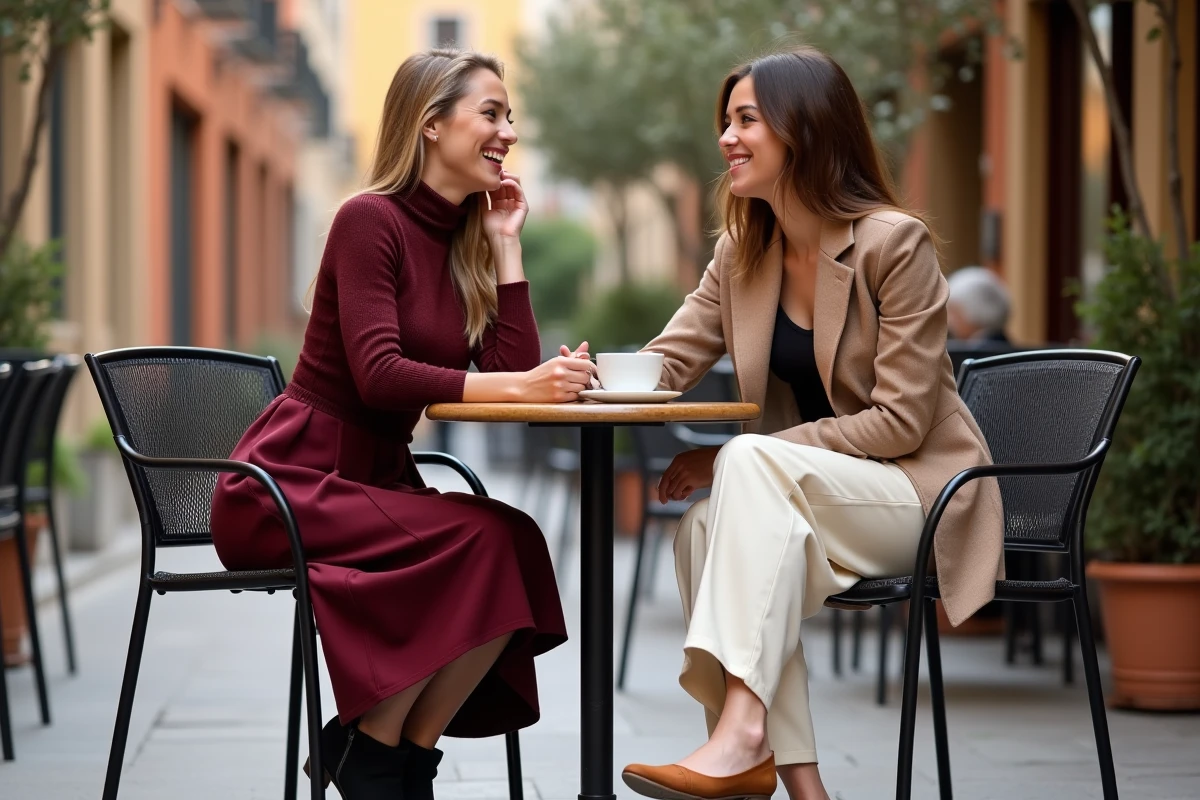
In Paris, observed looks vary greatly from one neighborhood to another: fully monochrome outfits in bright shades in some districts, almost uniform sobriety in others. The palette depends as much on the location as on the season.
Slow fashion and sustainability: between discourse and actual purchasing practices
Sustainable fashion occupies an increasing place in the discourse of brands and consumers. The available data does not allow for precise measurement of the extent of change, but several signals converge.
The concept of slow fashion, which involves investing in quality clothing worn for a long time rather than accumulating disposable pieces, is gaining ground in declared purchasing behaviors. However, fast fashion continues to represent a massive share of sold volumes, which nuances the actual impact of the announced shift.
What is concretely changing in habits
The integration of second-hand pieces into everyday outfits is the most tangible sign of an evolution. Luxury resale platforms report sustained growth, and the reflex to seek a piece first in second-hand before buying new is becoming commonplace among some buyers.
Vintage clothing is no longer confined to a consciously retro style. It integrates into contemporary silhouettes, worn as an archive piece whose rarity adds value. Archival fashion functions as a code of distinction, different from a logo or displayed price.
This season’s fashion trends are less about a list of pieces than about a way of assembling one’s wardrobe. The choice of materials, the provenance of clothing, and the ability to sustain a wardrobe become style criteria as visible as a pant cut or a dress color.